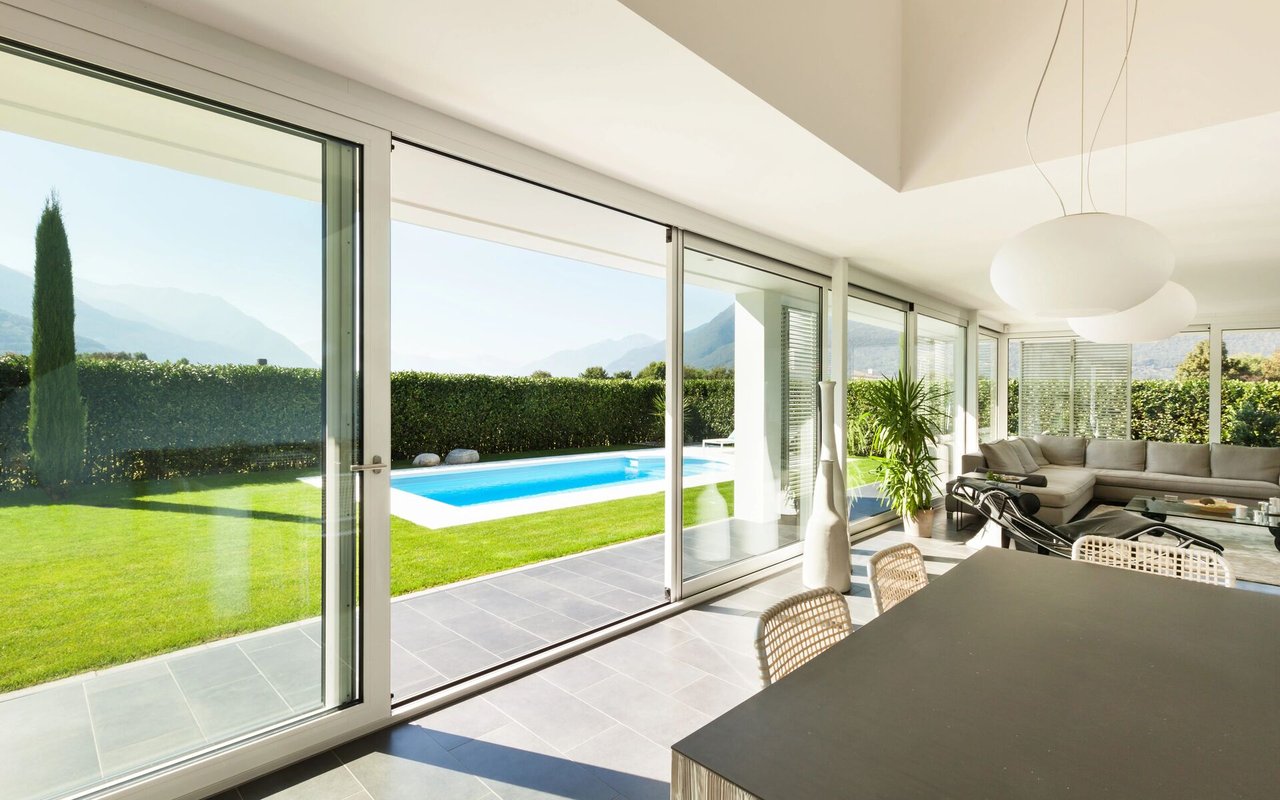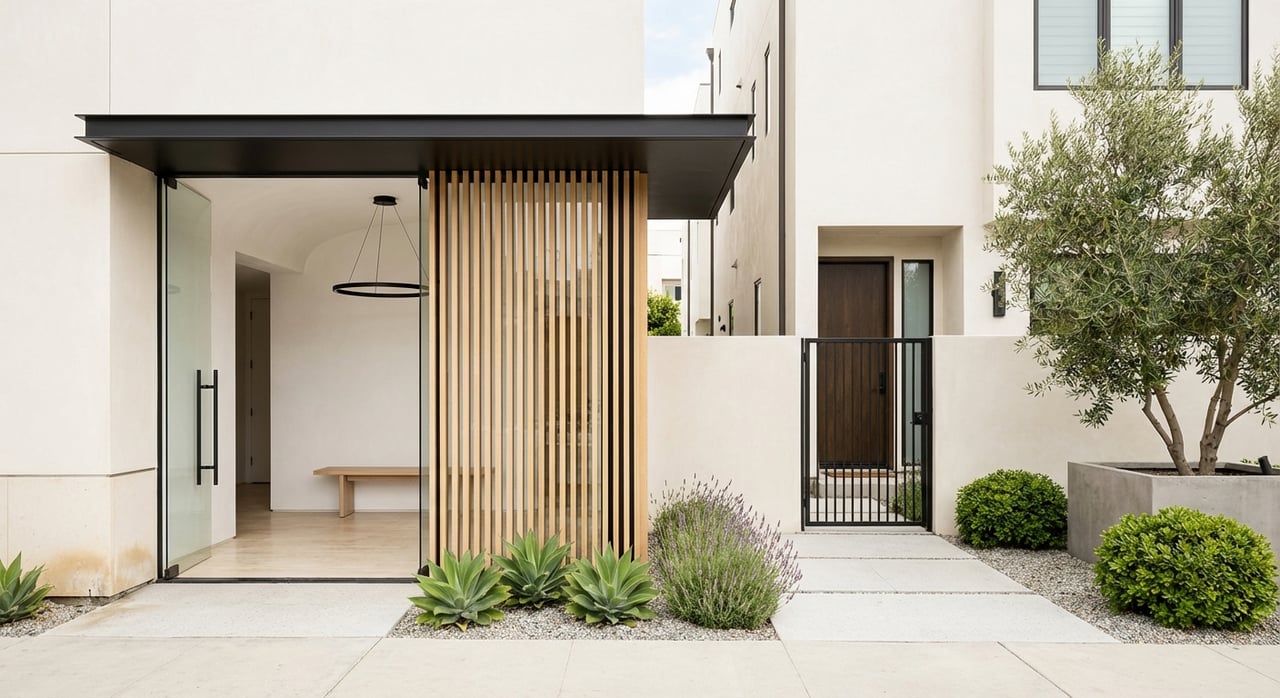
You want the Santa Monica lifestyle, but should you buy a high‑amenity condo by the beach or a private townhome with a garage and more space? The right choice depends on how you live day to day and the real costs beyond the purchase price. In this guide, you will compare space, privacy, HOAs, financing rules, and local regulations that affect luxury buyers. You will leave with a clear checklist and next steps tailored to Santa Monica. Let’s dive in.
Luxury price context in 2026
As of January 2026, Santa Monica’s median sale price is about $1,504,000. Citywide price‑per‑square‑foot often ranges around $1,100 to $1,150. In practice, the local luxury threshold for condos and townhomes often starts near $2 million, with ocean‑view penthouses and prime units trading well above that.
Condos show a wide spread. Many entry to mid‑tier buildings trade roughly from the high six figures to the low millions, while premium beachfront and penthouse product often reaches $3 million or more. Townhomes typically sit above most entry‑level condos and below top single‑family homes. Many luxury townhomes list between about $1.5 million and $3 million in well‑located districts.
Condos vs townhomes at a glance
Luxury condos: when they fit
- You want an ocean‑view or walkable, lock‑and‑leave lifestyle.
- You value concierge service, staffed lobbies, and on‑site amenities.
- You accept higher HOA dues in exchange for convenience and service.
- Tradeoffs: less private outdoor space and no private garage in many buildings.
Luxury townhomes: when they fit
- You want more contiguous square footage and a single‑family feel.
- You prefer a private entry and an attached garage.
- You value lower monthly HOA dues and more private outdoor space.
- Tradeoffs: fewer tower‑style amenities and fewer panoramic ocean views.
Space, privacy, and parking
Townhomes often provide multi‑level layouts, private garages, and roof decks or patios. That creates a single‑family feel with good separation between living and sleeping areas. Some luxury Santa Monica townhomes include direct‑access garages and private outdoor space, which is ideal if you collect cars or want simpler deliveries and storage.
Condos concentrate living on one or two levels. Higher‑floor units can deliver big views, especially along Ocean Avenue, and luxury buildings invest in sound mitigation and professional staffing. Many condos, however, rely on assigned or valet parking and shared elevators. If you want absolute privacy for vehicles, a townhome usually has the edge.
Amenities and true monthly costs
Full‑service condo buildings can feel like a private club. It is common to see concierge, valet, on‑site gym and spa, pool, and entertaining lounges. Those benefits show up in HOA dues. In Santa Monica, you will see a wide range: some smaller buildings and townhome associations around $400 to $900 per month, mid‑range and amenity‑rich condos roughly $800 to $1,800 per month, and full‑service beachfront towers often $1,800 to $3,500 or more per month. Actual numbers vary by building and by what utilities and services are included.
Townhome communities often offer simpler shared areas such as landscaped courtyards and a small gym or community room. Monthly dues can be lower than full‑service towers, but you shoulder more of the private maintenance over time. Always ask for the most recent HOA budget, meeting minutes, and reserve study.
Under California’s Davis‑Stirling Act, common‑interest communities must complete reserve studies at least every three years and provide annual reserve funding disclosures. You should review these documents for signs of deferred maintenance or pending capital projects. Poor reserve funding raises the risk of special assessments. Learn more about reserve rules in the Davis‑Stirling statutes and guidance on reserve planning and disclosures. Davis‑Stirling Act overview and California Civil Code references.
Ownership and financing differences
Townhomes can be organized in two ways. Some are condominium‑form townhomes, where you own the interior and share common elements. Others are fee‑simple or PUD townhomes, where you own the structure and land and the HOA governs limited common areas. The legal setup affects maintenance, insurance, and loan underwriting, so confirm it early in due diligence.
Lenders scrutinize condo projects for eligibility. Conventional financing often depends on a project passing Fannie Mae or Freddie Mac standards. Projects with high investor ratios, low reserves, unresolved litigation, or significant deferred maintenance can be labeled non‑warrantable. That can restrict access to conventional loans and push buyers to jumbo or portfolio products with different terms. Review Fannie Mae’s condo project guidance and speak with your lender before you write an offer. Fannie Mae condo/co‑op project requirements and industry coverage of recent policy updates.
In California, associations carry a master policy, and owners hold an HO‑6 policy for interiors. Confirm what the master policy covers, the deductible, and whether the HOA carries earthquake insurance. Insurance details can shift your effective monthly cost and your risk profile.
Local rules that shape your plan
Short‑term rentals and home‑sharing
Santa Monica prohibits unhosted vacation rentals of 30 days or fewer. Home‑sharing is only allowed when the primary resident is present and properly licensed. The City actively enforces these rules. In January 2026 the City filed a civil action targeting alleged systematic violations, a reminder that compliance matters. Review the City’s guidance on rental business licensing and home‑sharing, and see the recent enforcement action for context. Rental licensing and home‑sharing rules and City enforcement press release.
If you plan any rental activity, also review your building’s CC&Rs and house rules. Some associations prohibit or tightly limit short‑term stays. Align your strategy with both city law and the HOA.
Coastal and seismic considerations
Oceanfront and near‑shore properties face long‑term coastal hazards. Santa Monica’s Climate Action and Adaptation Plan includes a Beach Dunes project that builds natural shoreline buffers. Understanding local adaptation work helps you gauge future management and potential assessments. Explore the City’s Beach Dunes project to see current and planned phases. Santa Monica Beach Dunes project.
Santa Monica sits near mapped faults. Older mid‑century buildings may have greater retrofit considerations than newer construction. Review structural reports and any planned HOA seismic work as part of your diligence. For regional fault context, see USGS resources. USGS fault map for Los Angeles region.
Resale and exit strategy
Think beyond closing day. Full‑service ocean‑view condos appeal to buyers who want convenience and lock‑and‑leave living. Townhomes appeal to buyers who prioritize private square footage and garages. Buildings with strong reserves, transparent governance, and conventional‑loan eligibility are typically easier to finance and resell. Review reserve funding, litigation history, and project approval status to protect your future liquidity.
Your total monthly cost will influence future buyers as well. High‑amenity towers come with higher dues, which many buyers accept for the service level. Townhomes may have lower dues, but owners handle more private maintenance. Use the reserve study and recent budgets to estimate near‑term assessment risk.
A clear decision checklist
Use this buyer checklist for each property you consider:
Legal and finance
- Project financing: Is the condo project warrantable under Fannie or Freddie?
- Governance: Are the latest reserve study, budget, and meeting minutes available? Any pending litigation or special assessments?
- Insurance: What does the master policy cover, and what are the deductibles? Is there earthquake coverage?
Monthly carrying cost
- Add HOA dues, HO‑6 insurance, property taxes, and utilities.
- Note included services such as valet, concierge, gas, water, or internet.
Lifestyle fit
- If you want ocean views, amenities, and minimal upkeep, lean condo.
- If you want privacy, direct street or garage access, and more space, lean townhome.
Rental and policy fit
- Confirm city rules on home‑sharing and your HOA’s restrictions. Unhosted short‑term rentals remain prohibited in most cases in Santa Monica.
- If you plan long‑term renting, review any local rent‑stabilization overlays and HOA leasing rules.
Durability and risk
- Review the reserve study for near‑term capital projects.
- Check for coastal flood exposure, seismic reports, or any active retrofit planning.
Three buyer profiles in practice
Luxury downsizer who wants lock‑and‑leave. A high‑floor, ocean‑view condo with concierge and valet delivers a simple daily routine. Expect higher HOA dues that bundle maintenance and service. Confirm project approval status with your lender and review the master insurance and reserves.
Young household that wants space and a garage. A North‑of‑Wilshire townhome with private entry, multi‑level layout, and attached parking often fits well. You will trade tower‑style amenities for more private square footage and direct access. Review the HOA for exterior maintenance plans and reserve funding.
Investor with a longer view. Target projects with healthy reserves and clear governance that support conventional financing. Santa Monica’s strict short‑term rental rules limit vacation‑rental income, so align your plan with permitted home‑sharing or long‑term leasing and the HOA’s leasing rules.
Next steps for your search
Choosing between a condo and a townhome in Santa Monica comes down to how you value space, service, privacy, and risk. The best move is to pair a lifestyle brief with building‑level diligence. That means reviewing reserve studies, insurance, financing eligibility, and local rules before you write an offer.
If you are ready to refine your plan or want discreet access to on‑ and off‑market options on the Westside, connect with Michelle Adams. We provide white‑glove advisory, curated search, and VIP access to select inventory so you can buy with clarity and confidence.
FAQs
What defines a “luxury” condo or townhome in Santa Monica?
- In practice, many buyers consider the luxury threshold to begin near $2 million for condos and townhomes, with ocean‑view or boutique offerings trading higher; confirm building‑level comps before you decide.
Are condo HOA dues always higher than townhome dues?
- Often yes, especially in full‑service towers that include concierge, valet, and extensive amenities; some townhome communities have lower dues but expect more private maintenance over time.
Can I rent my Santa Monica condo or townhome short term?
- Unhosted stays of 30 days or fewer are prohibited by the City; limited home‑sharing is allowed only when the primary resident is present and properly licensed, and HOA rules may be stricter; see the City’s guidance on home‑sharing and recent enforcement actions. City rental guidance and enforcement example.
What is a non‑warrantable condo, and why does it matter?
- It is a project that does not meet Fannie Mae or Freddie Mac standards due to factors like low reserves or litigation; this can limit conventional financing options and impact resale; review Fannie Mae’s project requirements with your lender. Fannie Mae condo project standards.
How do reserves and special assessments affect me?
- Healthy reserves reduce the chance of large surprise assessments for capital repairs; California law requires periodic reserve studies and annual funding disclosures, so review those documents before you commit. Davis‑Stirling overview.
Should I worry about earthquakes or coastal hazards when buying near the beach?
- You should understand them; review structural reports, HOA seismic planning, and coastal adaptation work such as the City’s Beach Dunes project, then align insurance and reserves with your risk tolerance. USGS fault map and Beach Dunes project.