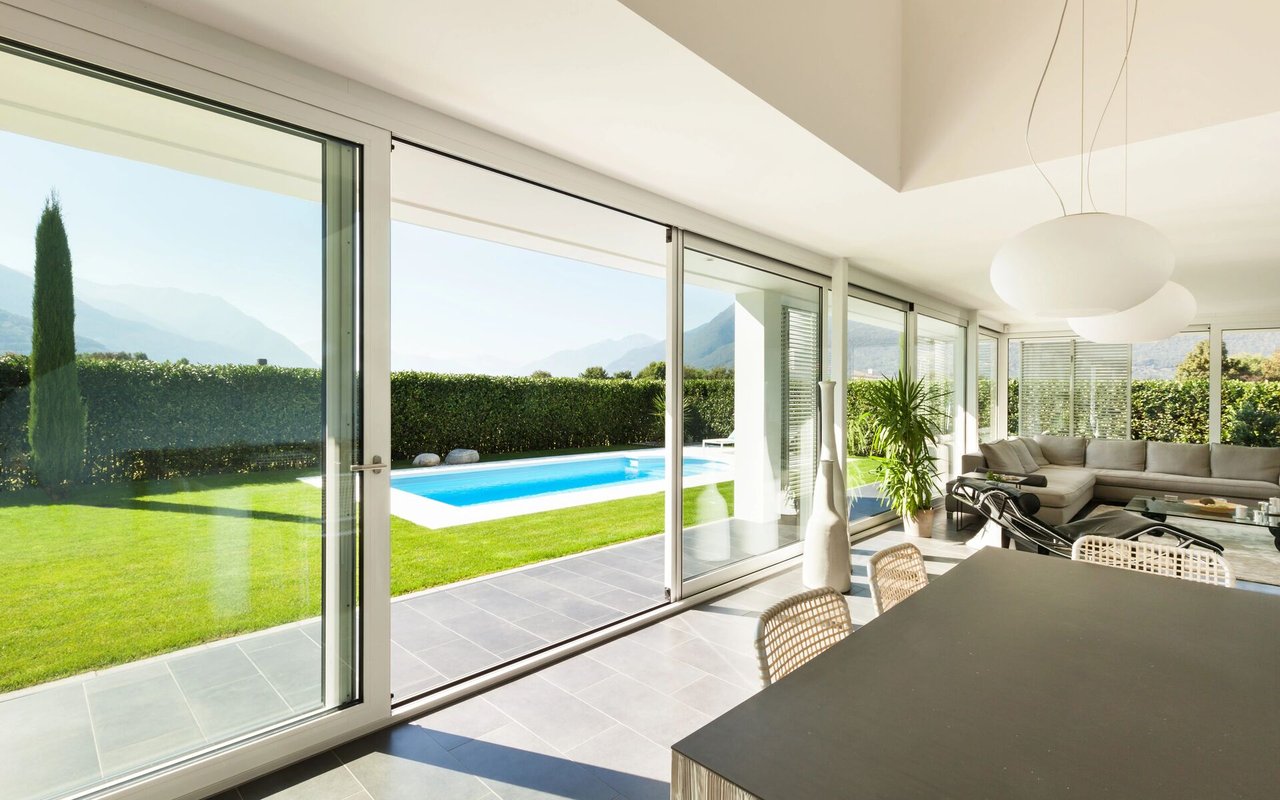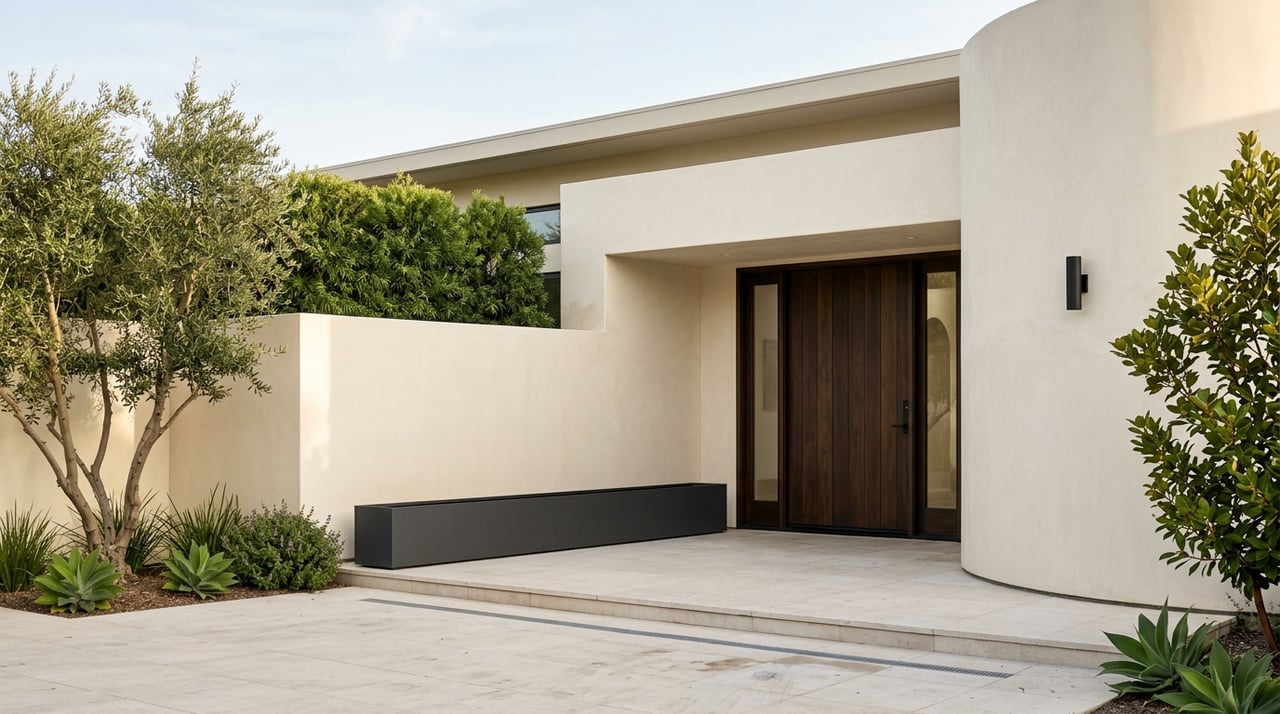
What does privacy actually mean in Bel Air? In this hillside market, it is rarely just about a gate or a long driveway. It is about how the street bends, how the lot sits on the slope, what neighbors can see from above, and how access and local rules shape daily life. If you are buying for discretion in Bel Air’s hillside enclaves, understanding that geometry can help you choose a property that feels as private in person as it looks on paper. Let’s dive in.
Why Bel Air Privacy Feels Different
Bel Air is shaped by canyon roads, hillside siting, and estate-era planning. The Bel Air-Beverly Crest Community Plan describes the area as roughly 9,900 acres of predominantly single-family neighborhoods south of Mulholland Drive and north of Sunset Boulevard. In practical terms, that means privacy here often comes from topography and street layout as much as architecture.
The area’s original subdivision also helps explain the feel buyers notice today. City records note that Bel Air’s 1922 subdivision was planned with underground utilities to preserve scenery, and the historic district documentation ties that legacy to the estate character still visible around the East and West Gates and the broader Bel Air Estates area. This is one reason Bel Air does not read like a typical urban neighborhood with predictable blocks and direct sight lines.
Enclaves to Know
Bel Air Estates
For many buyers, Bel Air Estates is the clearest expression of privacy-driven planning. According to the city’s Bel Air-Beverly Crest historic district documentation, the district includes more than 80 irregular parcels, winding hillside streets, mature vegetation, and many properties screened by high walls, hedges, and gated driveways.
That same report notes that some smaller lots were absorbed into adjoining parcels over time. For you as a buyer, that matters because one section may feel like a collection of estate compounds while another may present a different sense of spacing and visibility. Privacy here is highly parcel-specific.
Stone Canyon Road
Stone Canyon offers a different version of seclusion. The city identifies it as a smaller historic pocket with winding streets, no sidewalks, and a strong concentration of 1930s and 1940s period-revival homes. If you want privacy with architectural character, this enclave can be a useful point of comparison.
The appeal is not only visual. Streets without sidewalks, mature landscaping, and hillside alignment can reduce direct visibility from the public right-of-way. Still, an attractive street presence does not always mean the rear yard, upper levels, or side setbacks feel equally protected.
Bel Air Crest
Bel Air Crest is identified in a current city planning document as a gated residential community east of the 405. For some buyers, controlled access is a major part of the privacy equation, especially if you value a more managed arrival experience and a clearly defined entry point into the community.
That said, gate access is only one layer. Even inside a gated community, sight lines, lot relationships, and elevation changes still shape how exposed or secluded a home feels once you are on the property.
Bel Air Ridge
Bel Air Ridge is another enclave worth understanding if you want a more structured residential setting. The HOA states that the community includes 377 residences across about 100 acres near Mulholland Drive, with attached townhomes, detached single-family homes, and private amenities such as pools, tennis, a clubhouse, a fitness center, and a private park.
The HOA also says the community has been recognized as a Firewise USA community. For buyers weighing privacy against ease of living, Bel Air Ridge can represent a different model than a large standalone estate lot, with a stronger association framework and a more defined amenity structure.
What to Inspect Beyond the Gate
In Bel Air, a drive-by often tells only part of the story. A city historic-resource nomination for a Bel Air Road residence describes a site arranged for views, screened by a courtyard wall, with an entrance hidden from the street. The broader city survey also notes that many Bel Air homes are shielded from public view by privacy walls and hedges.
That is why on-site analysis matters more than curb appeal alone. A home may appear almost invisible from the road but still feel open from the rear terrace or vulnerable to overlook from uphill neighbors.
Key sight-line questions
When touring a property, focus on these practical questions:
- Can uphill neighbors see into the pool, terrace, or main living spaces?
- Do upper windows or roof decks create direct visibility into adjacent lots?
- How visible are the motor court, front door, and guest arrival areas from the street?
- Is landscaping providing real screening year-round, or is it mostly decorative?
- Do side yards create meaningful separation, or do they feel visually exposed?
The community plan emphasizes preserving low-density single-family areas, protecting scenic views, minimizing grading, and retaining front-yard setbacks. Those policy goals reinforce why siting and lot orientation remain central to the privacy conversation.
A Smart Buyer Checklist
Bel Air rewards buyers who look past finishes and study the parcel itself. Because many homes are visually screened from the street, your due diligence should test how private the property feels from every edge, not just from the front approach.
A practical checklist includes:
- Request a survey or site plan
- Compare the street view with the rear yard and both side yards
- Ask where future additions could reasonably go on neighboring lots
- Evaluate upper-level windows, balconies, and roof areas for direct overlook
- Review how driveway access and guest parking affect visibility
This kind of review is especially useful in hillside enclaves, where changes in elevation can create privacy surprises that photography and public-facing views do not reveal.
Access and Fire Safety Matter Too
In Bel Air, privacy and access go together. The Bel Air-Beverly Crest Neighborhood Council notes that the area has narrow winding streets, limited points of entry and exit, and significant land within a Very High Fire Hazard Severity Zone.
That matters during your property search, not just after escrow. The Los Angeles Fire Department guidance referenced by the neighborhood council notes that AB38 disclosures apply to residential properties in the VHFHSZ and that fire-hardening standards apply to homes built before January 1, 2010. If privacy is a priority, brush clearance, defensible space, and disclosure review should be part of your buying criteria from the start.
Why this affects privacy buyers
A secluded setting can be appealing, but it may also come with narrower roads, steeper approaches, and more complex access patterns. In other words, the same features that create visual separation can influence how easily you move in and out of the property and what safety work may be required over time.
That does not make a home less desirable. It simply means the most informed purchases weigh privacy, access, and maintenance obligations together.
How Local Rules Can Protect Quiet Enjoyment
One overlooked part of privacy is what can happen next door after you buy. In hillside areas, redevelopment or major construction can affect view lines, noise levels, lighting, and daily access, even when your own parcel is well screened.
The Los Angeles Department of Building and Safety says the Bel Air-Beverly Crest HCR district adds protections against construction-related impacts, including limited weekday work hours, interior-only work on Saturdays, and restrictions on excessive exterior floodlighting after 6:00 PM. Those controls do not remove all disruption, but they do help frame what neighboring projects can and cannot do.
The community plan’s focus on low density, scenic views, and avoiding unnecessary street widening also shapes the broader experience of the area. For a privacy-focused buyer, this is an important part of long-term due diligence.
Why Local Guidance Makes a Difference
Bel Air is layered. There are gates, HOAs, neighborhood associations, historic districts, hillside regulations, and a street pattern that can make one property feel entirely different from another only a few turns away.
The Bel-Air Association states that its mission includes safety and security, neighborhood watch, preparedness, crime prevention, street safety, emergency preparedness, and architectural integrity. The neighborhood council also represents a large network of residents and residential associations. For you, that means buying here often requires more than simply finding a beautiful home. It requires understanding how community structure, access rules, and future land use can affect privacy over time.
A discreet, well-connected advisor can help you compare listed opportunities with selectively available properties, coordinate access, and evaluate whether a parcel’s privacy is durable or only cosmetic. In Bel Air, that distinction matters.
If you are searching for a home that balances discretion, hillside beauty, and practical day-to-day livability, working with a boutique advisor can save time and sharpen your decision-making. To explore Bel Air opportunities with a private, tailored approach, connect with Michelle Adams.
FAQs
What makes privacy in Bel Air different from other Los Angeles luxury neighborhoods?
- Bel Air privacy is shaped heavily by hillside topography, winding streets, irregular lots, and screened estate layouts, not just gates or lot size.
What should you inspect when buying a private home in Bel Air?
- Focus on sight lines from uphill neighbors, visibility of the front entry and motor court, rear-yard exposure, and whether landscaping provides real screening instead of decorative cover.
What is the difference between Bel Air Estates and gated enclaves like Bel Air Crest?
- Bel Air Estates is known for irregular estate parcels and winding streets, while Bel Air Crest is identified by the city as a gated residential community with controlled access.
Why do fire-zone disclosures matter when buying in Bel Air?
- Much of the area is in a Very High Fire Hazard Severity Zone, so disclosures, defensible space, brush clearance, and fire-hardening considerations should be part of your property review.
How can future construction affect privacy in Bel Air hillside enclaves?
- A neighboring rebuild or addition can alter sight lines, lighting, noise, and access, so it is wise to review lot relationships, local hillside rules, and where future expansion could occur nearby.